
Guide to CDN and DDoS Protection: Enhancing Performance
Guide to CDN and DDoS Protection: Enhancing Performance
Introduction
In the digital age, securing and optimizing your website is vital to staying competitive. Two essential components to achieving this are a Content Delivery Network (CDN) and Distributed Denial of Service (DDoS) protection. This simple article uses important terms to show how CDN and DDoS protection team up to make your website safe.
CDN - Speed and Security for Your Website
A Content Delivery Network (CDN) is a setup with servers all over the world that helps send website content to users fast and easily. This process, known as load balancing, helps minimize latency and improve website load times. CDNs cache and distribute content to servers closer to users, reducing the load on your origin server.
Protection - Keeping Your Website Safe from Malicious Attacks
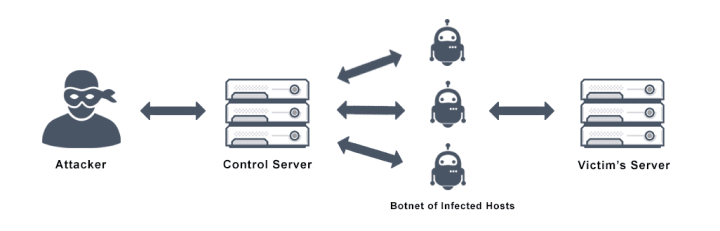
Distributed Denial of Service attacks are malicious attempts to overwhelm a web server with excessive amounts of traffic, rendering it unable to handle legitimate traffic. A DDoS attack can lead to downtime, financial losses, and reputation damage. DDoS protection, made up of a Web Application Firewall (WAF) and measures to lessen DDoS attacks, is crucial for keeping your website safe and making sure your users can always access it.
How CDN and DDoS Protection Work Together
Combining CDN and DDoS protection creates a powerful synergy, offering several benefits:
Enhanced Performance: CDNs and load balancing improve website performance, delivering content quickly to users and helping to reduce bounce rates.
Robust Security: DDoS protection, including a WAF, defends against malicious attacks while CDNs provide an additional security layer by acting as a reverse proxy, hiding your origin server's IP address.
Traffic Management: By filtering out attack traffic, such as UDP flood, DDoS protection ensures that only legitimate traffic reaches your website. CDNs help manage large amounts of traffic, maintaining consistent performance even during traffic spikes.
Layered Defense: DDoS protection safeguards your network layer and application layer, while CDNs secure your content delivery network.
Easy Steps to Implement CDN and DDoS Protection
Implementing CDN and DDoS protection for your website might seem daunting at first, but with these simple steps, you'll be on your way to a more secure and faster website:
Choose a CDN Provider: Research and select a CDN provider that best fits your needs. Popular providers include Cloudflare, Fastly, and Amazon CloudFront. Most providers offer simple guides to help you set up their CDN service with your website.
Update DNS Settings: Update your domain's DNS settings to point to the CDN provider's servers. This step ensures that your website traffic is directed through the CDN, benefiting from its performance and security features.
Enable DDoS Protection: Many CDN providers also offer DDoS protection as part of their services. Check if your chosen provider has this feature and enable it. Otherwise, you can choose a separate DDoS protection provider, such as Sucuri or Imperva, to safeguard your website.
Configure Web Application Firewall (WAF): Set up a WAF to add another layer of security to your website. A WAF examines incoming traffic and filters out malicious requests, helping to protect your website from attacks that target the application layer.
Monitor and Optimize: Regularly monitor your website's performance and security using available analytics tools. Keep an eye out for unusual traffic patterns or attempted attacks and adjust your CDN and DDoS protection settings as needed.
Summary
In conclusion, include a CDN and DDoS protection is essential for maintaining a secure, efficient, and high-performing online presence. By working together, these tools provide a multi-layered defense against various threats while improving website performance and user experience. Embracing CDN and DDoS protection should be a priority for all website owners aiming to deliver the best possible experience for their visitors.
Frequently Asked Questions (FAQs) About CDN and DDoS Protection
Q: Can a CDN protect my website from all types of DDoS attacks?
A: Although a CDN can help reduce some DDoS attacks, mainly those aimed at the network layer, it's not a full solution. To protect your website thoroughly, you should use a CDN together with dedicated DDoS protection and a Web Application Firewall (WAF) to defend against different kinds of attacks.
Q: How much does CDN and DDoS protection cost?
A: The price of DDoS CDN protection can be different based on the company you choose and the special features they offer. Some companies have free plans with simple features, while others might charge based on the amount of traffic, the number of website domains, or extra security options.It's essential to research and compare providers to find the right solution for your needs and budget.
Q: Will using a CDN slow down my website?
A: Quite the opposite! CDNs are designed to improve your website's performance by delivering content to users from servers that are closer to their location, reducing latency and load times. Additionally, CDNs can help balance traffic loads, ensuring that your website remains responsive even during traffic spikes.
Q: Can I use CDN and DDoS protection for my small website or blog?
A: Absolutely! CDN and DDoS protection services are suitable for websites of all sizes, including small websites and blogs. Implementing these tools can help improve your website's performance, security, and user experience, regardless of its size or traffic volume.
Q: What is the difference between network layer and application layer attacks?
A: Network layer attacks, also known as Layer 3/4 attacks, target the infrastructure that connects your website to the internet. These attacks aim to overwhelm your server with massive amounts of traffic, causing it to crash or become unresponsive. Examples of network layer attacks include UDP floods and SYN floods.
Application layer attacks, also known as Layer 7 attacks, focus on the individual programs on your website, like systems for managing content, online shopping platforms, or website forms. These attacks are more sophisticated and may involve sending seemingly legitimate requests to exploit weakness within the application. Examples of application layer attacks include SQL injection and Cross-Site Scripting (XSS).